Purnama Kartika and Kartika Purnima, Traces of Kalinga Migration to Bali
Admin - atnews
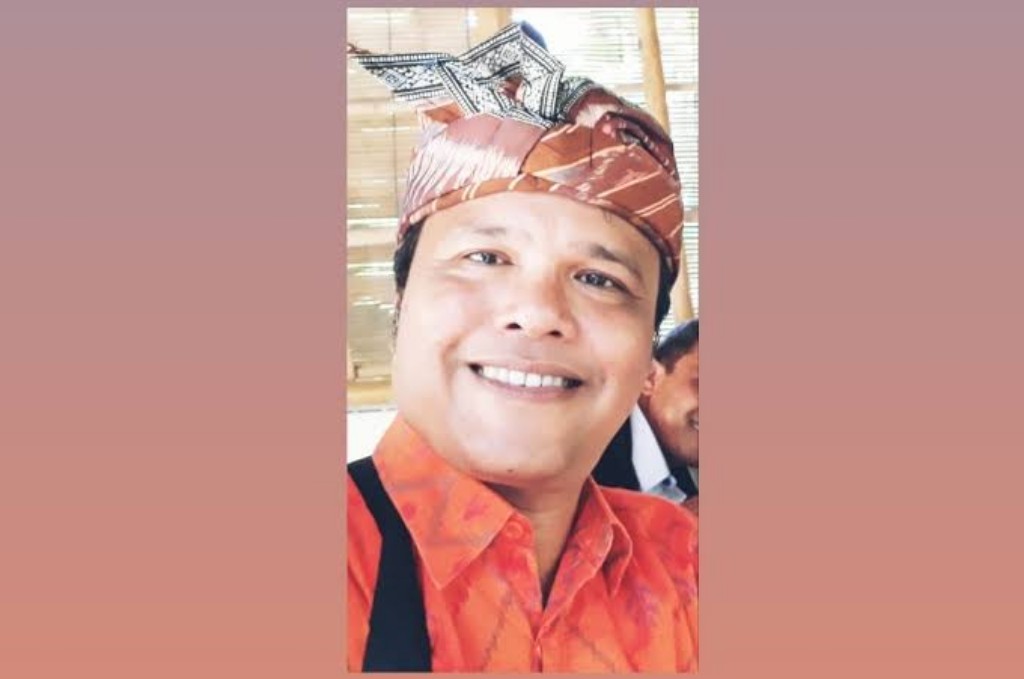
Denpasar (Atnews) — Lecturer at I Gusti Bagus Sugriwa State Hindu University, Denpasar, I Gede Sutarya, stated that Hindus in Bali celebrate the holy day of Purnama Kartika or what is called Purnama Kapat (full moon in the fourth Balinese month).
This Purnama Kartika is a pujawali or temple festival on Padmatiga-Besakih Temple, Ulundanu Batur Temple (Songan) and Lempuyang Madya Temple (Wikarman et al., 2024). The pujawali on Padmatiga-Besakih and Ulundanu Batur (Songan) is a commemoration of the descent of the ancestors of Dewata Purusha (male origin) and Pradhana (female origin) to Bali for the first time, which then gave rise to all Balinese people (Riana, 2024). The commemoration of the descent of ancestors to Bali signifies a commemoration of the early origins of the island of Bali inhabited by humans who have a race like humans today.
This commemoration of origins is related to the commemoration of Kartika Purnima in Odisha, India. On Kartika Purnima, the people of Odisha hold a celebration to commemorate the migration of their ancestors to a new land called Bali.
This commemoration is called Baliyatra or the journey to Bali (‘Skilling Odisha,’ 2019). It signifies the past story of the journey of the Kalinga people to Bali. Therefore, this commemoration coincides with the commemoration of the origins of the ancestors of the Balinese people, Indonesia, called Bhatara Putranjaya and Goddess Danuh.
Commemoration of the origins of the Balinese people is strengthened by the reading of the majajiwan ritual in Besakih because the majajiwan mentions the ancestors of Keling. The majajiwan is a ritual to census the population of Bali. Balinese population that was censused was the first to have ancestors in Keling (Odisha) with the language manira sakeng keling.
Next are the ancestors of Singasari, and Majapahit. The reading of this majajiwan strengthens the origin of the ancestors from Kalinga, India, thus strengthening the commemoration of the Purnama Kartika temple festival.
Commemoration of the Purnama Kartika temple festival is strengthened by the mythology on the journey of Rishi Markandeya to Bali because the name Rishi Markandeya is the name of a rishi from India.
There is a mythology carried in the Markandeya Purana palm-leaf manuscript which tells the story about the journey of Rishi Markandeya to Bali with the Aga people. Genealogically, Rishi Markandeya is a rishi from the Vedasira clan.
This is what causes Bali to have the legacy of the Vedasira palm-leaf manuscript (Lanus, 2021). The mythology of the Markandeya Purana and the legacy of Vedasira strengthen the Bali-Kalinga connection told through the tradition of ceremonies.
This Bali-Kalinga connection has been studied archaeologically by Ardika (2019). The study strengthens the relationship of Bali with India because beads were found which are evidence of trade between Bali and India. Ancient Balinese inscriptions also mention the names of educational centers in India such as Nalanda, Amarawati, and Waranasi (Ardika, 2019).
This study shows a strong relationship between Bali and India during ancient Balinese times. All the findings strengthen the story of Balinese rituals through archaeological research.
The archaeological research is part of archaeological research on the influence of India on the archipelago that has something to do with the emergence of Hindu kingdoms in the archipelago.
For examples, such influences were found in the Kutai Kingdom in Kalimantan, the Kalinga Kingdom in Central Java as well as Tarumanagara in West Java.
These kingdoms show the strong relationship between the archipelago and India in their time. Such relationships also reached Bali, so there is a lot of archaeological evidence of these relationships in Bali.
These stories are further strengthened by DNA studies of Balinese people because DNA is a record in the human body.
DNA studies on Balinese people found DNA elements that are common to South Indian DNA (Junitha & Sudirga, 2007). The findings of this DNA study indicate that the traditional story through rituals, mythology, and the archaeological findings is confirmed to be true. On that account, the DNA studies have become an entry point for confirmation of the meeting of the Purnama Kartika tradition with Kartika Purnima. (Z/001)

Baca Artikel Menarik Lainnya : SMA 2 Denpasar Dulu dan Kini
Terpopuler
Lestarikan Seni Budaya Bali, Gubernur Koster Hadiah Rp 50 Juta untuk Dua Sanggar Seni Tari dan Tabuh di Buleleng